July 24, 2026
Asphalt paving is a critical process in civil engineering that ensures driveways, roads, and parking lots are durable, smooth, and safe. This article aims to guide you through the expectations you should have when considering an asphalt paving project. We will explore each step meticulously, from the planning phase to the completion and maintenance of the pavement.
Understanding Asphalt Paving
What is Asphalt?
Asphalt, commonly known as bitumen in many countries, is a material used for paving various surfaces. It is a mixture of aggregates like sand and gravel, bound together with a bituminous binder, typically derived from crude oil. Due to its adhesive and waterproofing properties, asphalt is extensively used in road construction and maintenance. Asphalt paving creates surfaces that are not only aesthetically pleasing but also functional and durable. Its versatility and cost-effectiveness make it a popular choice for both residential and commercial projects.
Types of Asphalt Mixes
There are several types of asphalt mixes, each designed for specific applications and conditions. Hot Mix Asphalt (HMA) is the most common, made by heating asphalt to high temperatures before mixing it with aggregates. Warm Mix Asphalt (WMA) uses additives to lower the temperature required for mixing, leading to energy savings and reduced emissions. Cold Mix Asphalt is prepared without heating, suitable for patch repairs and smaller projects. These variations offer flexibility in selecting the right mix to optimize performance, sustainability, and cost.
Importance of Asphalt Paving
Asphalt paving plays a vital role in infrastructure, providing a smooth and reliable surface for transportation. Its durability is critical under heavy traffic loads and various weather conditions. A well-paved asphalt surface helps in improving fuel efficiency for vehicles, reducing noise, and enhancing road safety. Moreover, the use of asphalt contributes to efficient water drainage, preventing waterlogging and pothole formation. These attributes make asphalt paving an integral component of modern infrastructure.
Comparing Asphalt to Other Materials
When comparing asphalt to other paving materials, cost, durability, and maintenance are major considerations. Concrete is another common paving material, known for its longevity but often comes at a higher initial cost compared to asphalt. Gravel is an economical option for low-traffic areas, but it lacks the strength and smoothness of asphalt. Pavers offer aesthetic appeal but require substantial maintenance. Asphalt strikes a balance between affordability, durability, and ease of maintenance, ensuring long-term value.
Environmental Impact of Asphalt
Asphalt is often criticized for its environmental impact, particularly due to emissions during production. However, modern advances have significantly reduced this impact, especially with the advent of Warm Mix Asphalt. Asphalt is 100% recyclable, making it a sustainable choice for paving. The longevity of asphalt pavement also means fewer resources are used over time compared to materials that may require more frequent replacement. As environmental standards continue to evolve, the asphalt industry adapts, utilizing greener technologies and materials.
Pre-Paving Considerations
Site Assessment and Evaluation
A thorough site assessment is the first step in any asphalt paving project. This involves evaluating the current condition of the site, including soil stability, drainage patterns, and existing structures. Proper assessment ensures the base layer can support the asphalt without leading to future issues such as cracks or depressions. Additionally, understanding the site's environmental conditions helps in choosing the most suitable asphalt mix. By investing time in evaluation, costly mistakes can be avoided, facilitating a smoother construction process.
Budgeting for Your Paving Project
Establishing a realistic budget is crucial for a successful paving project. Costs can vary significantly based on size, materials, and labor. It's important to consider the initial investment as well as ongoing maintenance expenses to prevent future financial strain. Comparing quotes from multiple contractors and understanding the cost breakdown helps in making an informed decision. A well-allocated budget ensures quality workmanship and materials, ultimately extending the life of the pavement and providing a return on investment.
Choosing the Right Contractor
Selecting a qualified contractor is essential to achieving a successful asphalt paving project. Research potential contractors by reviewing their experience, licenses, and client testimonials. A reputable contractor will provide a detailed project plan and transparent pricing. It's beneficial to verify their expertise by viewing previous projects and clarifying any doubts regarding the methodology. Partnering with the right professional ensures the project adheres to standards and timelines, delivering reliable and lasting results.
Understanding Local Regulations
Before beginning an asphalt paving project, it is imperative to review local regulations and obtain necessary permits. Zoning laws, environmental regulations, and construction codes can affect project design and implementation. Adhering to these rules helps avoid legal issues and potential fines. Contracting professionals familiar with local laws can streamline this process, providing reassurance that the project complies with all legal requirements. Awareness and preparation ensure that regulatory hurdles do not delay construction.
Design Considerations and Planning
Effective planning and design are fundamental in the initial stages of asphalt paving projects. This includes determining the scope of work, specific design features such as sections, slopes, and drainage. Planning also encompasses selecting appropriate materials and scheduling construction activities. It's essential to consider future use, ensuring the pavement can handle anticipated traffic loads without premature wear. A comprehensive design plan not only enhances functionality but also increases the pavement's aesthetics and longevity.
The Paving Process
Preparing the Site
Preparing the site is a fundamental step in the asphalt paving process, setting the stage for all subsequent activities. This involves clearing the area of debris, vegetation, and any existing pavement to ensure a clean start. Properly preparing the subgrade is essential to prevent future structural failures. It includes grading to achieve the desired slope for drainage and stabilizing the soil to bear the load. Comprehensive site preparation is crucial for building a strong foundation, influencing the overall quality and lifespan of the pavement.
Excavation and Grading
After site preparation, excavation and grading form the next phase of an asphalt paving project. Excavation is necessary to remove any unsuitable material and reach the required depth for new materials. Grading follows, with the goal of creating a smooth and stable surface to lay the base layer. It's critical to maintain precise grading to facilitate proper drainage, preventing water accumulation which could degrade the pavement. A well-executed excavation and grading phase ensure the surface is level, stable, and ready for base layer installation.
Laying the Base Layer
Laying the base layer is a pivotal phase that directly affects the strength and durability of the pavement. The base typically consists of crushed stone or gravel, compacted to provide stability and support. It helps to distribute loads evenly and prevents water penetration, which could weaken the structural integrity. A well-compacted base layer mitigates the risk of surface deformation under load. Precision in this phase ensures the asphalt layer bonds well, resulting in a longer-lasting pavement structure.
Asphalt Pouring and Compaction
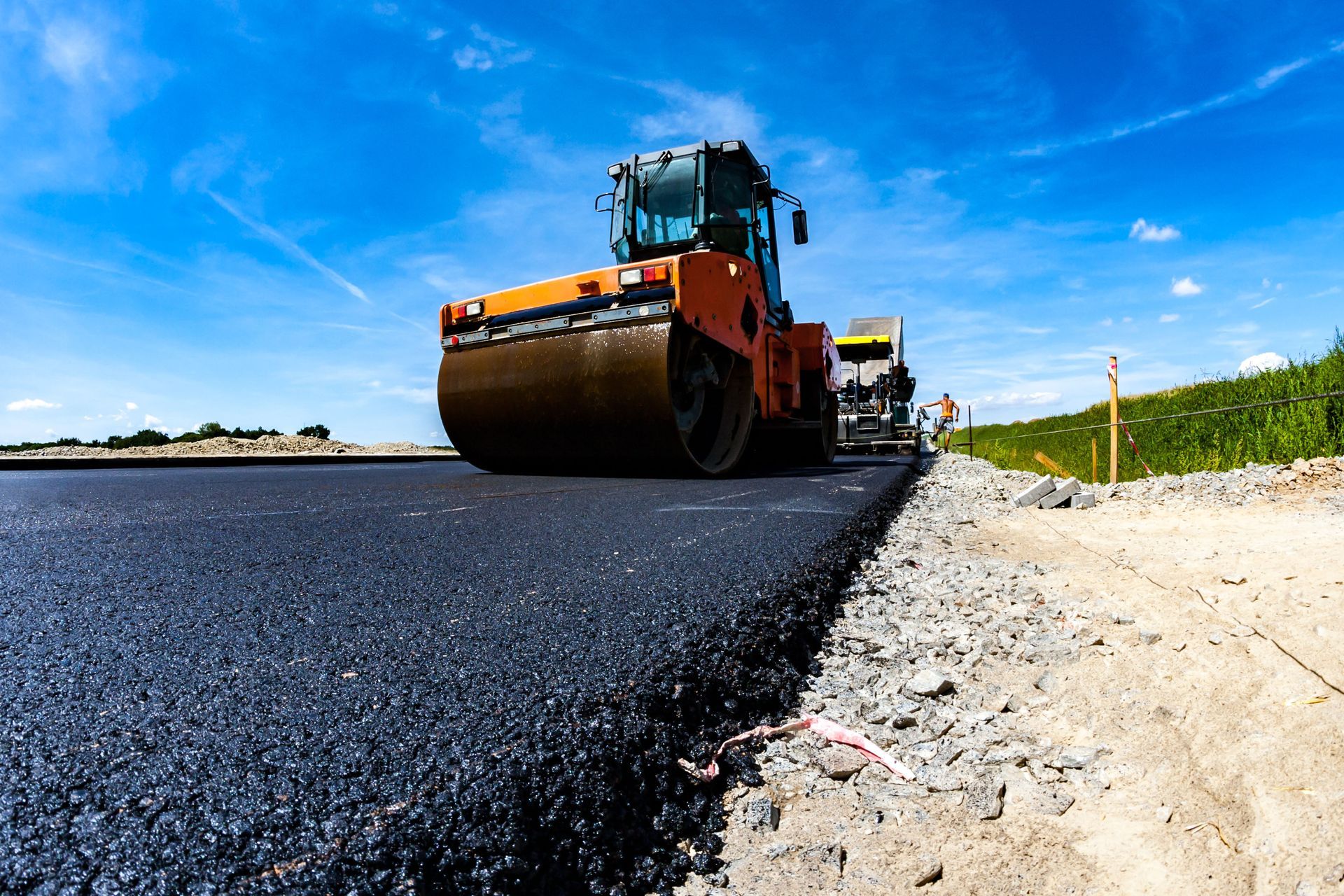
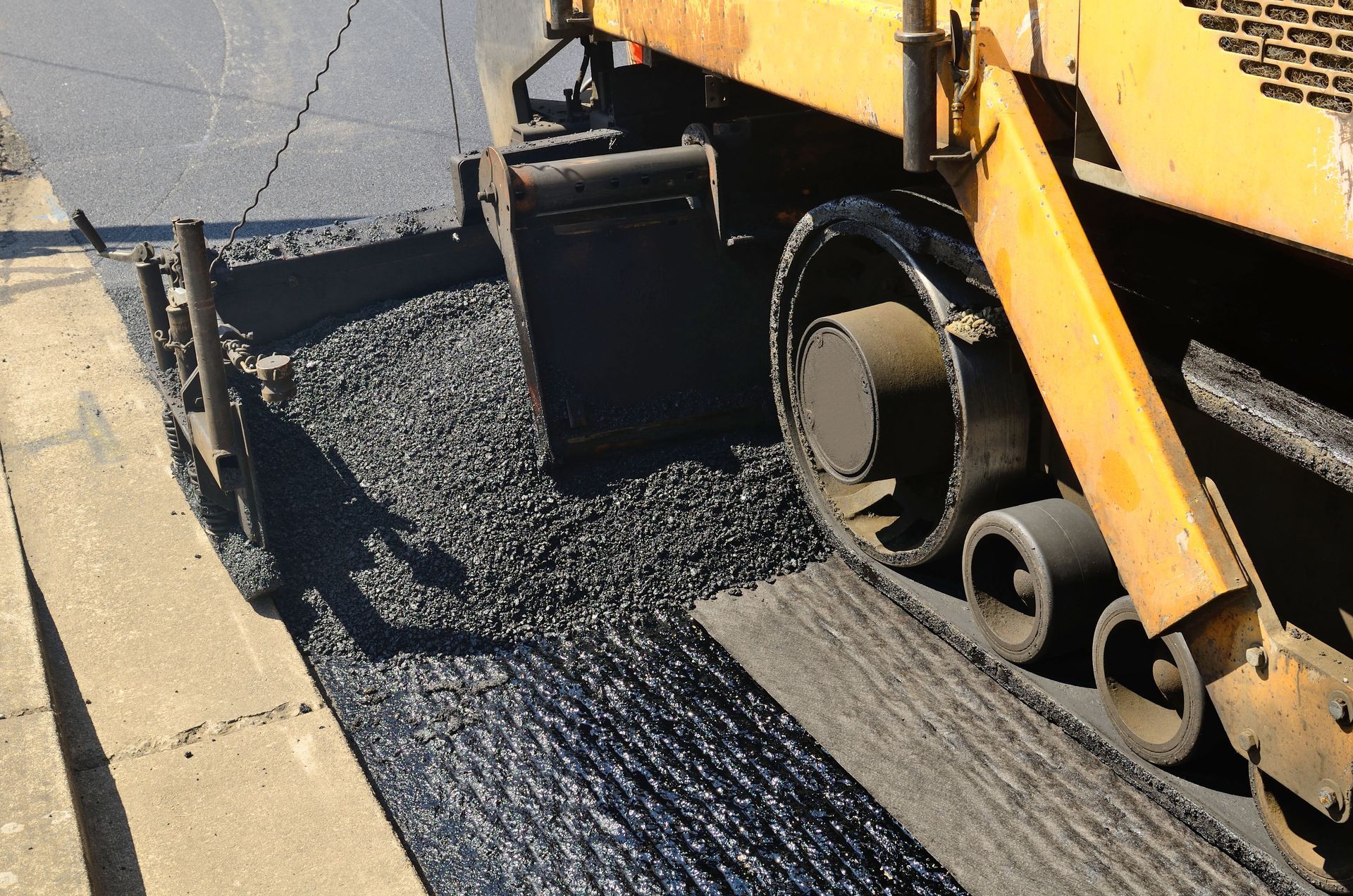
The heart of the paving process involves pouring and compacting the asphalt layer. Hot Mix Asphalt is typically used, poured at the desired thickness while still loose. Compaction through roller machines is crucial to remove air bubbles and achieve the necessary density. Proper compaction ensures that the asphalt surface is smooth and able to withstand traffic stresses without rutting. According to Bob Vila, the average lifespan of a well-maintained asphalt driveway is 20 to 30 years. The timing of this phase is critical, as successful compaction must occur before the asphalt cools and hardens.
Embarking on an asphalt paving project requires strategic planning, quality materials, and skilled execution. By understanding each phase of the process, from initial considerations to long-term maintenance, you can ensure a successful outcome. Whether paving a residential driveway or a commercial parking lot, the insights provided in this guide will prepare you for what to expect throughout your asphalt paving endeavor. Be sure to reach out to Crossroads LLC Asphalt Paving today to learn more about our professional asphalt paving!