June 18, 2026
A paved surface provides more than a path to a home; it provides a smooth transition from the street to the sanctuary. Property owners take this smooth, black expanse for granted. The surface withstands heavy vehicles, harsh weather, and constant friction without immediate complaint. However, this material undergoes a distinct journey from its creation to its demise. Understanding this journey helps homeowners appreciate the value beneath their tires.
The life cycle begins before the material touches the ground and ends decades later. Every season leaves a mark on the pavement, changing its chemical composition and physical structure. Homeowners must recognize these changes to maximize their investment. By hiring professional asphalt services to monitor the surface, property owners ensure longevity and curb appeal. The cycle requires attention, care, and intervention to prevent premature failure.
Initial Phase: The Base and Surface Installation
A strong foundation dictates the success of the entire structure. Contractors excavate the area to remove weak soil, vegetation, and old debris. They grade the earth to ensure proper water drainage, directing rain away from the structure. A solid gravel aggregate base goes down next, forming the structural backbone. The crew compacts this base with heavy rollers to create an unyielding platform for the upper layers.
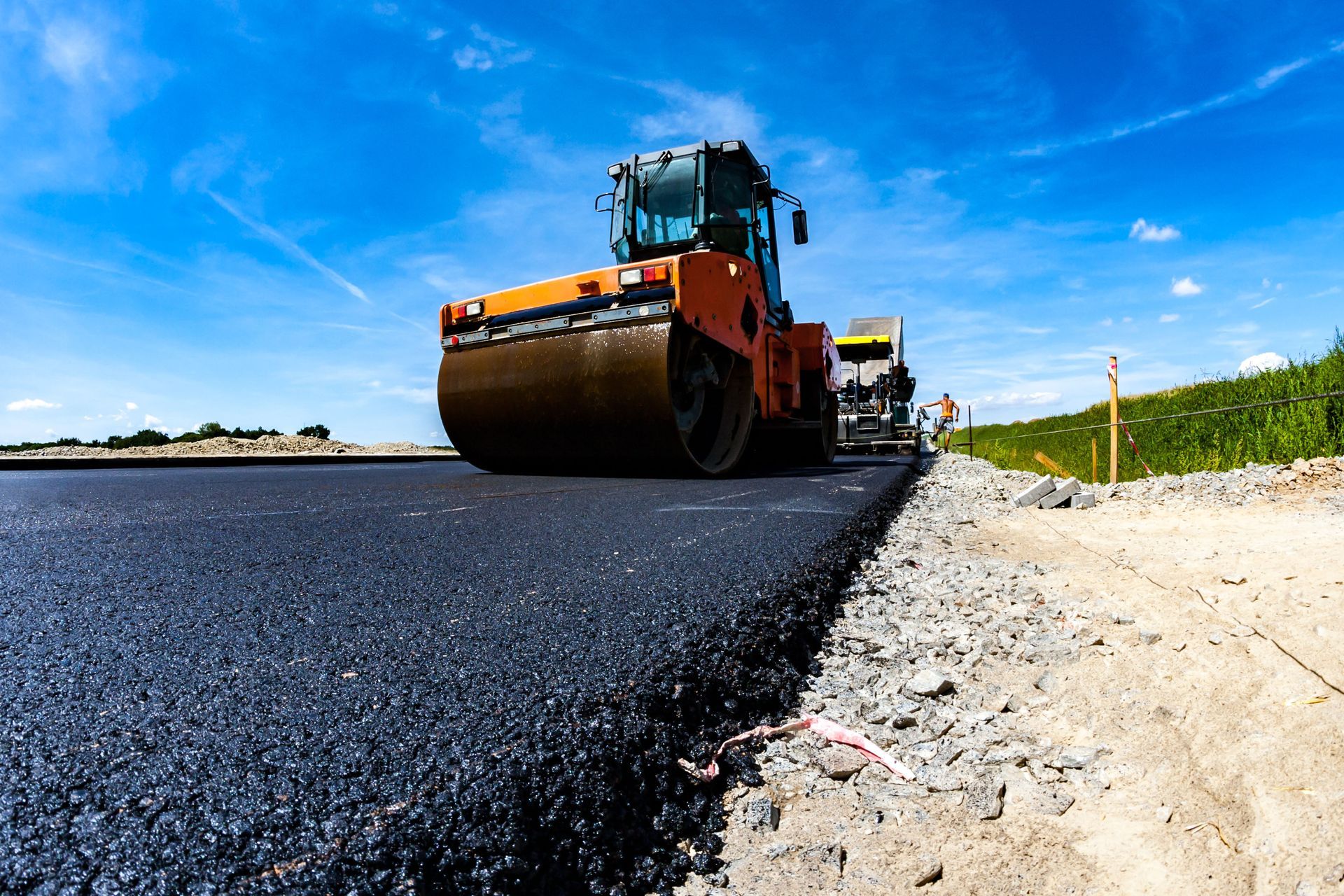
Once the base meets all requirements, the hot mix arrives in insulated trucks. The temperature remains high to keep the material pliable and workable. Workers spread this dark, steaming mixture across the prepared gravel aggregate base. They use specialized paving machines to lay the material in a uniform, flat layer. The distinct smell of heated petroleum fills the air during this crucial application phase.
Heavy compaction rollers move back and forth over the fresh mixture. This pressure forces the aggregates and the binder together, eliminating air pockets and creating a dense mass. The edges require special attention to prevent future crumbling or cracking. Workers shape these boundaries with hand tools to ensure a clean, sharp finish. Proper compaction guarantees the surface will bear weight without sinking or shifting.
The application process finishes when the surface cools to the ambient temperature. At this point, the surface looks flawless, featuring a deep, rich black color. The smooth finish repels water and provides excellent traction for vehicles. Property owners must wait before parking their cars on the fresh pavement. Seeking out reliable asphalt services ensures this initial application happens without structural flaws or drainage issues.
Secondary Phase: The Curing and Settling Period
The new pavement appears solid but remains vulnerable during the ensuing months. The material takes an extended period to cure and harden in an open environment. The heavy oils within the mixture evaporate into the atmosphere over time. This chemical change causes the surface to become more rigid and less susceptible to surface damage. Owners must exercise caution with heavy vehicles during this sensitive timeframe.
Power steering turns create significant stress on uncured pavement. Turning front wheels on a stationary vehicle leaves permanent scuff marks and depressions in the fresh surface. Bicycles with kickstands or heavy trash bins cause localized indentations. Homeowners should keep heavy equipment and stationary loads off the surface. A little precaution preserves the flawless appearance and prevents structural damage while the binder completes its chemical transformation.
The deep black color begins to fade during the curing process. Sunlight and oxygen interact with the binder, causing a slow oxidation process. The surface transitions from a dark obsidian to a lighter gray hue. This color shift indicates the material is hardening and losing its original flexibility. The changing appearance serves as a visual indicator of the chemical changes happening within the pavement structure.
Water tests the resilience of the curing pavement. Rain highlights any minor imperfections in the initial grading. Small puddles might form, indicating slight depressions in the surface layer. Minor settling happens as the earth beneath the aggregate base adjusts to the new weight. Utilizing experienced asphalt services during this phase provides property owners with guidance on proper use and identifying potential drainage problems in advance.
Maintenance Phase: The Protection and Preservation Process
The surface requires protection from the elements after the initial curing phase completes. Sealcoating provides a protective barrier against harmful ultraviolet rays, vehicle fluids, and standing water. This liquid application replenishes essential oils and restores the original dark color. Property owners should apply this barrier at regular intervals to maintain the pavement structure. A good sealcoat extends the viable lifespan and delays inevitable deterioration.
Cracks appear due to seasonal temperature fluctuations and ground movement. Cold weather causes the material to contract, while summer heat causes expansion. These constant physical changes stress the pavement until fissures open. Homeowners must fill these cracks to prevent water infiltration. Water entering the base layer causes devastating damage during freezing weather. Ice expands within the structure, forcing the cracks wider apart.
Potholes develop when base erosion meets heavy traffic loads. A weak spot in the underlying structure causes the surface to collapse inward under vehicle weight. Prompt repair of these hazards stops the damage from spreading outward. Patching compounds fill the voids and restore a level driving surface. Regular visual inspections catch these problems while they remain small, manageable, and inexpensive to repair.
Routine cleaning prevents organic matter from degrading the binder. Leaves, pine needles, and dirt trap moisture against the pavement surface. Automotive oil spills act as solvents, dissolving the petroleum binders and weakening the structure. Sweeping the surface and washing away chemical spills preserves the integrity of the material. Utilizing professional asphalt services ensures the property receives the correct protective coatings and crack-filling materials.
Final Phase: The Deterioration and Replacement Cycle
Time and weather overcome all protective measures. According to Home Advisor, an asphalt driveway can last between 25 and 30 years. The material loses its flexibility, becoming brittle and prone to extensive cracking. Large spiderweb patterns, known as alligator cracking, signal a failure of the subbase. The surface material breaks into smaller chunks, resembling the rough scales of a reptile.
Water penetrates the failed areas with ease, washing away the foundational gravel. The pavement structure heaves and sinks, creating an uneven and hazardous landscape. Potholes multiply, and simple patching fails to solve the underlying structural failures. The deterioration rate accelerates as more water enters the compromised base layer. The pavement fails to provide a smooth transition or a safe surface for vehicles and pedestrians.
Property owners face a decision regarding restoration or complete replacement. Resurfacing offers a temporary solution if the base remains structurally intact. Workers mill away the top layer and apply fresh material over the old structure. This method saves resources but ignores severe base failures. A full replacement remains the primary viable option for a surface suffering from widespread alligator cracking and severe base erosion.
Complete replacement starts the entire life cycle over again. Heavy machinery breaks apart the old, brittle pavement. Workers haul the broken material to recycling facilities, where it begins a new life in future paving projects. The excavation reveals the original soil and aggregate base. Securing reputable asphalt services guarantees that the tear-out and subsequent reconstruction meet modern engineering standards and property requirements.
The journey from a hot, steaming mixture to a brittle, broken surface spans decades of utility. Property owners watch their pavement transition through distinct phases of hardening, aging, and decline. Proper care and regular maintenance delay the deterioration process. The surface relies on a solid foundation, careful application, and a consistent routine of sealing and cleaning to survive the harsh outdoor environment.
Understanding the stages of pavement aging empowers homeowners to make informed decisions. Proactive maintenance preserves the aesthetic appeal and structural integrity of the property. Ignoring small cracks leads to massive subbase failures and expensive replacements. By partnering with quality asphalt services, property owners secure a durable surface that withstands the elements. The black expanse outside the home remains a testament to careful planning and diligent upkeep. Contact Crossroads LLC Asphalt Paving to schedule an evaluation of your driveway's current condition. Our comprehensive asphalt services provide the care required to maximize the lifespan of your pavement.